Services › Rentals & Property Management
Rentals and property management in Punta Gorda and Port Charlotte
Whether you want a home for the year, a furnished place for the winter, or a tenant for a house you own, this is how it works here: what is offered, what it costs, when to start, and who to talk to.
A home to live in year round
Unfurnished houses, condos and villas on a one-year lease in Punta Gorda, Deep Creek and Port Charlotte.
Annual rentals ↓A furnished place for the winter
Three to six months in Punta Gorda, Punta Gorda Isles and nearby, rented by the calendar month.
Seasonal rentals ↓A tenant for a home you own
Three management programs, from finding a tenant only to handling everything while you are away.
Property management ↓Who Does What
Bob sells homes. His office rents and manages them.
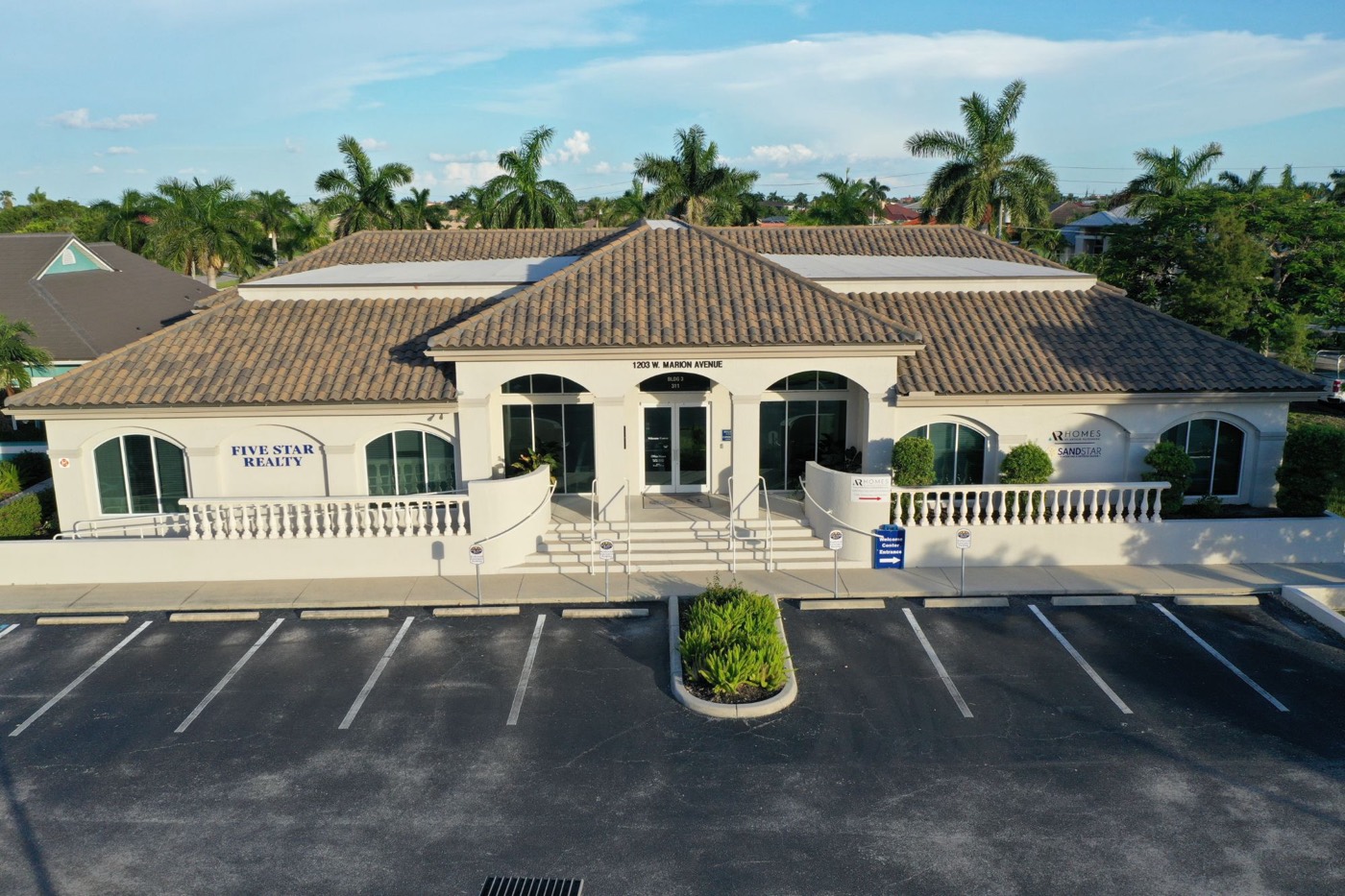
Bob Helphenstine is a sales agent. He does not write leases or manage tenants, and he will not pretend otherwise. Rentals and management are the work of the property management department at Five Star Realty of Charlotte County, Bob’s brokerage, in the same building at 1203 West Marion Avenue.
That department has been renting and managing homes in Charlotte County for decades, and it took first place for property management in the Charlotte Sun Readers’ Choice Awards in 2019. It handles annual rentals, seasonal rentals, and full management for owners.
Where Bob fits: he makes the introduction, and he is the person to talk to when a rental question is really a buying or selling question. Should the house be rented or sold? Is this condo allowed to be rented at all? Which neighborhood is worth trying for a winter before buying in it? Those are his.
Two ways to get started
Ask Bob using the form at the bottom of this page, or call or text him at (941) 661-4842. He will connect you with the right property manager and stay in the loop.
Call the office directly at (941) 637-6116 and ask for property management. Office hours are Monday to Saturday 8 AM to 5 PM and Sunday noon to 4 PM.
Annual Rentals
Renting a home for the year
Annual rentals are homes people live in full time: working families, retirees who are not ready to buy, and people relocating who want a year to learn the area first. The department concentrates on Punta Gorda, Deep Creek and Port Charlotte.
What is offered
- Single-family homes, condos and villas, including waterfront and canal homes with access to Charlotte Harbor, and golf course homes.
- Mostly unfurnished. A furnished annual rental comes up now and then, and the listing says so when it does.
- Most have a pool, either private or shared with the community.
- Neighborhoods include Punta Gorda Isles, Burnt Store Isles, Burnt Store Meadows, Seminole Lakes, Deep Creek and Port Charlotte.
What to expect
- Utilities are usually yours. Electricity, water and internet go in the tenant’s name. The new resident utility guides list who to call for each town.
- Lawn and pool care are often included in the rent. Check each listing.
- Pet-friendly homes are limited and rent very quickly. Call rather than wait for one to appear online.
- An application and screening against the department’s written rental criteria, the same for every applicant.
- An attorney-drafted lease, with the security deposit held as Florida law requires.
Before you apply
- Have your move-in date, the number of people and any pets ready for the first call.
- Ask what the total move-in cost is: first month, deposit and any association application fee.
- In a condo or a deed-restricted community, ask how long association approval takes, since it can delay your move-in date.
- Ask which flood zone the home is in and whether you should carry renter’s insurance with flood coverage for your belongings. The flood zone guide explains the zones.
Relocating from out of state
Renting for a year before buying is a sound way to move here. It lets you live through a summer, a storm season and a winter, and learn which side of the river and which kind of water access you actually want.
Bob is glad to help you use that year well: the neighborhood guides, the boater’s access guide and the hurricane guide are written for exactly this. When the lease is nine months in, call him and start looking without pressure.
The rental listings open on the Five Star Realty website, where the property management department keeps them current.
Seasonal Rentals
A furnished home for the winter
Seasonal rentals are furnished houses and condos in Punta Gorda, Punta Gorda Isles and nearby communities, set up so you can arrive with a suitcase. Many are on the water, many have a pool or a lanai, some have a boat slip, and most are a short drive or bike ride from downtown Punta Gorda.
What is typically in the home
- Linens and towels
- A kitchen equipped for cooking
- Washer and dryer
- Internet and streaming television
- Pool care and lawn care, handled for you
Each home is a little different. Ask for the specific inventory if something matters to you, such as a king bed, a ground-floor bedroom or a garage.
The terms, as published
- Minimum stay
- 3 months
- Typical stay
- 3 to 6 months
- How it is rented
- Full calendar months, from the 1st
- Tax added to each month’s rent
- 12%
- Deposit
- $3,500
- Cleaning fee, once
- $224, tax included
- Processing fee
- $100
- Condo application fee
- Where the building charges one
Published by Five Star Realty’s property management department, November 2026. The 12% is not included in advertised rents. Confirm current terms before you budget.
What a three-month stay adds up to
- Rent, 3 months at $4,000
- $12,000
- Tax at 12%
- $1,440
- Cleaning fee
- $224
- Processing fee
- $100
- Total for the stay
- $13,764
An illustration, not a quote. The $4,000 rent is a round number chosen to make the arithmetic easy; actual rents vary widely by home, location and month. The $3,500 deposit is held separately, and a condo application fee may apply.
The Seasonal Calendar
When to look, and when to book
Winter rentals here run on a calendar that surprises first-time visitors. The best homes are spoken for long before the weather turns up north.
-
Early May
Next winter opens
Availability for the following year is refreshed. This is the widest choice you will have, especially with a pet or a boat.
-
May to August
Book
Homes fill through the summer. Decide on your dates and reserve.
-
January to March
Peak season
The months everyone wants. Last-minute openings are rare.
-
May to December
Off season
Some furnished homes rent at a reduced rate. A stay longer than six months is not subject to the 12% tax.
Bringing a pet or a boat
Say so first. The number of seasonal homes that accept a small pet is limited, and so is the number with a dock or slip you can use. If you are trailering a boat, ask where the trailer can be kept, since many neighborhoods do not allow one in the driveway. The boater’s access guide explains bridge heights and how long each canal system takes to reach open water.
Renting a winter before you buy
A season in a rental is the best research there is. You find out whether you want a canal or a golf course, a condo or a house, Punta Gorda or Port Charlotte. Bob’s snowbird guide covers the practical side of owning a part-year home here. If you would like to see homes for sale while you are in town, tell him your dates and he will have a short list ready.
For Owners
Property management: three programs
If you own a home here and want it earning rent, the department offers three arrangements. They differ in how much the owner does, and in whether the home is rented by the year or by the season.
Annual full management
The one the department recommends. For an owner who wants steady income from an unfurnished home for years, with nothing to do personally. Marketing, screening, the lease, rent collection, repairs, inspections, emergencies and year-end paperwork are all handled.
Annual finder’s fee
Tenant placement only. For an experienced landlord, ideally living near the home, who wants to manage the tenancy personally. The department markets the home, screens applicants, and prepares the lease and renewals. Everything during the lease is yours.
Seasonal rental management
For a furnished home you use part of the year. You enjoy it in the months you choose, and it is rented to winter visitors in peak season with full management, including preparing the home before the season and shutting it down after.
| What is handled | Annual full managementRecommended | Annual finder’s feePlacement only | Seasonal managementFurnished homes |
|---|---|---|---|
| Best suited to | Owners who want income from an unfurnished home with nothing to do themselves | Experienced landlords who live nearby and want to manage the tenancy themselves | Owners of a furnished home who use it part of the year and rent it for the winter |
| Typical lease | One year, unfurnished | One year, unfurnished | Monthly, 3 to 6 months, furnished |
| Rental market analysis and pricing | Included | Included | Included |
| Advertising, including the agent referral network | Included | Included | year round |
| Color brochure of the home | Included | Included | Included |
| Showings | Included | Included | Included |
| Tenant screening against written rental criteria | Included | Included | Short-term contracts and deposits collected from renters |
| Attorney-drafted lease | Included | Included | Monthly rental contract |
| Lease renewal negotiation | Included | Included | Not applicable |
| Rent collection and payment of bills | Included | You handle this | Included |
| Monthly and year-end statements, online at any hour | Included | You handle this | Included |
| Year-end tax statement | Included | You handle this | Included |
| Lease enforcement and legal notices to tenants | Included | You handle this | Included |
| Repairs and cleaning coordinated, with licensed and insured handyman service | Included | You handle this | Included |
| Move-in and move-out inspections | Included | You handle this | plus pre-season preparation |
| 24-hour live emergency answering service | Included | You handle this | Included |
| Security deposit handled under Florida law | Included | You handle this | Included |
| End-of-season shutdown of the home | Not applicable | Not applicable | Included |
Program contents as published by Five Star Realty’s property management department, November 2026. Management fees are not published and depend on the program and the home. The property manager will quote them, along with a rental market analysis for your home.
Getting Started As An Owner
From first call to first rent check
- Tell Bob about the home. Address, whether it is furnished, when it will be empty, and whether you would rather rent by the year or the season. He passes this to the property manager and introduces you.
- The property manager looks at the home and prepares a rental market analysis: what it should rent for and what would help it rent faster.
- You choose a program and sign a management agreement that sets out the fee and exactly what is covered.
- The home is prepared and advertised. Any repairs or cleaning are coordinated, photographs and a brochure are made, and the listing goes out, including to the department’s agent referral network.
- Applicants are screened against written criteria, and the lease is signed on an attorney-drafted form.
- A move-in inspection records the condition of the home, the deposit is placed as Florida law requires, and the tenant moves in.
- Rent is collected and paid to you by automatic deposit, with monthly statements online and a year-end statement for your accountant.
Rent It Or Sell It
The question Bob is actually the right person for
Plenty of owners arrive at this page because they are not sure whether to keep a home. That is a sale question as much as a rental one, and it deserves real numbers on both sides instead of a hunch.
Bob will prepare the sale side: what the home would sell for now, and what you would walk away with after costs, using the same method as the net proceeds calculator. The property manager prepares the rental side: expected rent, vacancy, and the management fee. Put next to each other, the answer is usually clearer than people expect.
Bob’s side costs nothing, and there is no obligation to do anything with the result.
Before You Rent Out A Home
Six things owners find out too late
None of these is a reason not to rent. Each is a reason to make one phone call before signing a lease.
Homestead can be lost
If the home is your Florida homestead, renting it can count as abandoning the homestead under Florida Statute 196.061. That ends the exemption and the Save Our Homes cap, and the assessment can reset toward market value.
Call the county Property Appraiser first. The property tax guide explains what the cap is worth.
The association may say no
Condominium and homeowners associations can set a minimum lease length, limit the number of rentals a year, require approval of each tenant, or make a new owner wait before renting at all.
Read the recorded documents, or ask Bob to. The condo guide covers what to look for.
Short stays are taxed
Any rental of six months or less carries Florida sales tax and the county tourist development tax, which the owner is responsible for collecting and sending in. Under full or seasonal management the department handles this for you.
Your insurance has to change
A homeowner’s policy generally assumes you live there. A rented home needs a landlord policy, and a furnished seasonal rental needs the contents covered too. Tell your agent before the tenant moves in. See the insurance guide.
The tax break on a sale has a clock
The federal exclusion on the gain from selling a main home requires that you lived in it for two of the five years before the sale. Rent it out for more than three years and the exclusion is gone. Ask your accountant how this applies to you.
Owners abroad have extra rules
Rent paid to an owner who is not a US resident is subject to federal withholding unless the right election is filed. A cross-border accountant sets this up once. Bob’s international buyers guide covers the purchase side.
Buying A Rental Property
If the plan is to buy something and rent it
This is where the two halves of the office work together. Bob finds and negotiates the property; the property manager tells you, before you offer, what it will rent for.
What Bob checks before you offer
- Whether it can be rented, and on what terms, under the association documents.
- The flood zone and the insurance cost, which decide the return on many homes here.
- The real property tax as a non-homestead owner, not the seller’s figure.
- The seawall, dock and lift on a waterfront home, since repairs fall to the owner.
- A rent estimate from the property manager for that specific home.
What happens after closing
Bob introduces you to the property manager before closing day, so the management agreement, photographs and advertising are ready the moment the home is yours. An empty month is the most expensive month an investor has.
Looking for a home with an existing tenant, a duplex, or a condo in a building that allows seasonal rentals? Tell Bob what you are after. Many of these never get described that way in a listing and have to be found by reading the details.
Questions
Rentals and management, answered
Does Bob manage rental properties himself?
No. Bob is a sales agent: he helps people buy and sell. Rentals and management are handled by the property management department at his brokerage, Five Star Realty of Charlotte County, which works out of the same office on West Marion Avenue. Bob makes the introduction, and he stays your contact for anything to do with buying or selling.
What is the difference between an annual rental and a seasonal rental?
An annual rental is a home you live in year round: usually unfurnished, on a one-year lease, with utilities in your own name. A seasonal rental is a furnished home for the winter: rented by the calendar month for three to six months, with linens, kitchen equipment and internet already in place. They are priced differently, taxed differently and booked on a different calendar.
How far ahead should a winter rental be booked?
Early. The property management department refreshes seasonal availability in early May for the following winter, and the homes that take a pet or have room for a boat go first. Looking in May or June for January gives the widest choice. By autumn the choice for January through March is much narrower.
What does a seasonal rental cost on top of the advertised rent?
As published by the property management department in November 2026: a 12% tax is added to each month's rent, and there is a $3,500 deposit, a one-time $224 cleaning fee, a $100 processing fee, and a condo application fee where the building charges one. Confirm the current figures before you budget, because they can change.
Why is there a 12% tax on a seasonal rental?
Florida charges sales tax on any rental of living accommodations for six months or less, and Charlotte County adds its tourist development tax on top. A lease longer than six months is not subject to it, which is why the department offers longer, reduced-rate stays on some furnished homes.
Can a seasonal rental be shorter than three months?
The published minimum is three months, rented in full calendar months starting on the 1st. Outside January through April, some homes can be rented off season at a discount. Ask about the specific home and dates.
Are pets allowed in the rentals?
In some. Pet-friendly homes are limited in both the annual and the seasonal inventory and they rent quickly, so mention the pet in your first conversation. Condominium buildings often set their own limits on size and number, and those rules apply to tenants as well as owners.
What does property management cost an owner?
The department does not publish its management fees, and they depend on the program and the home, so this page does not guess. The first conversation with the property manager covers the fee, what it includes, and a rental market analysis for your home.
Will renting out a home affect its homestead exemption?
It can. Under Florida Statute 196.061, renting a homesteaded home can be treated as abandoning the homestead, which ends the exemption and the Save Our Homes cap on the assessment. The rules turn on how long and when the home is rented. Speak to the county Property Appraiser before you sign a lease, not after.
Should a home be rented out or sold?
It depends on four numbers: what the home would sell for today, what it would rent for, what it costs to carry as a rental, and how long you plan to hold it. Bob will prepare the sale side (a market value and a net proceeds estimate) and the property manager will prepare the rental side, so you can compare them on one page. Neither is a sales pitch for the other.
Bob helped with a purchase that is meant as a rental. What happens after closing?
Bob introduces you to the property manager before closing, so the home can be advertised as soon as it is yours. The department then handles the tenant search, the lease and the management under whichever program you choose.
Does a condo or homeowners association limit rentals?
Often, yes. Associations can set a minimum lease length, cap how many times a year a unit is rented, require tenant approval and an application fee, or make a new owner wait before renting at all. These rules are in the recorded documents, and they should be read before you buy a property you intend to rent.
Rental and property management services described on this page are provided by the property management department of Five Star Realty of Charlotte County Inc., not by Bob Helphenstine personally. Programs, terms and fees are as that department published them in November 2026 and can change without notice; the department’s own agreement and lease govern. See its pages for rentals and property management .
Nothing here is tax or legal advice, and Bob Helphenstine is neither a tax adviser nor an attorney. Statutes and tax rules are summarised in plain English and have exceptions; confirm how they apply to you with the county Property Appraiser, your accountant or a Florida attorney.
Equal Housing Opportunity. Rental homes are offered without regard to race, color, religion, sex, disability, familial status or national origin.